

Access to fair and responsible credit has a much bigger impact than helping one person meet a financial need. When households, entrepreneurs and families receive the support they require, entire communities benefit. Credit, when used responsibly and delivered through ethical lending practices, becomes a catalyst for social and economic development.
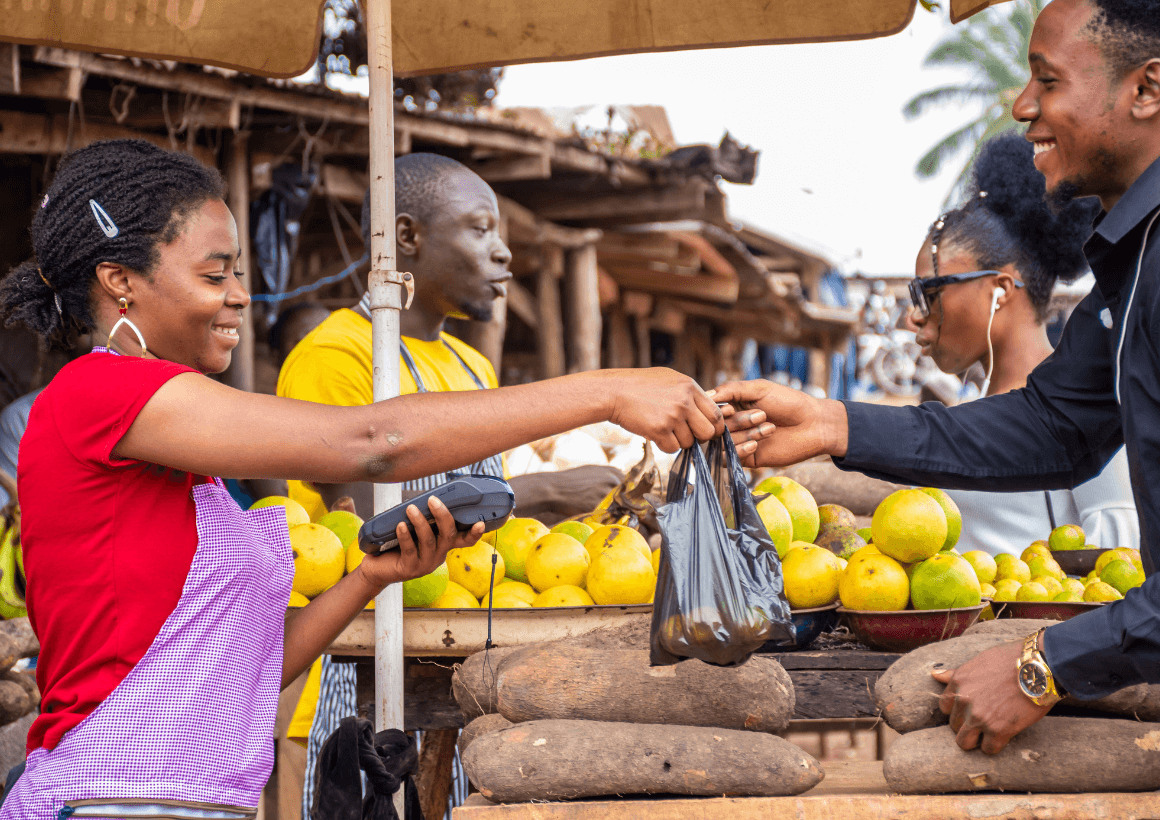
One of the most meaningful ways credit strengthens communities is by supporting small businesses. In many townships and local neighbourhoods, small enterprises are the backbone of daily life. They provide essential services such as food stalls, repair shops, hair salons, delivery services, tailoring, cleaning, construction and more. When these businesses have access to the tools and resources they need to expand, their growth creates a positive ripple effect. More income for the business owner often leads to new job opportunities, better stability for families, and increased economic activity within the area. A single delivery bike, sewing machine or set of tools can significantly boost productivity and uplift multiple households connected to that business.
Credit also contributes to healthier and more stable communities at the household level. When families can access funding to fix essential parts of their homes, such as plumbing, electricity connections, roofing or sanitation, it improves overall safety and dignity. Children can study in better environments, elderly family members can live more comfortably, and households become stronger foundations for support and growth. These upgrades not only improve individual living conditions but also contribute to safer, cleaner and more organised neighbourhoods.
Education is another area where credit drives long-term community impact. When parents are able to pay school fees on time, secure transport for their children or purchase learning materials, students are less likely to experience disruptions in their schooling. A community with educated children is a community with greater future potential. Over time, these learners become skilled adults who can contribute positively to their families and society. Access to credit helps break cycles of interrupted education and gives children the foundation they need to progress.
Another important community benefit arises from financial inclusion. Many South Africans, particularly those in informal work or small businesses, have historically been excluded from traditional financial systems. When ethical lenders offer responsible credit solutions to these individuals, it builds confidence and opens pathways that were previously unavailable. People who once felt overlooked gain the opportunity to participate fully in the economy, make meaningful improvements to their lives, and contribute actively to local development.
Responsible lending also plays a crucial role in preventing harmful financial practices within communities. When residents have access to safe and transparent credit, they are less likely to depend on unregulated lenders who may charge unreasonable interest or use abusive collection methods. Ethical credit protects individuals from exploitation, reduces financial stress and promotes healthier relationships within households. When families are not overwhelmed by unfair debt, they are better able to support each other, maintain stability and participate positively in community life.
The presence of responsible microfinance institutions also encourages a culture of financial awareness. As people learn more about budgeting, affordability and responsible credit use, the overall community becomes better informed. Strong financial habits spread from household to household, helping to reduce over-indebtedness and encouraging long-term planning. Over time, this shared knowledge builds resilience, supporting both economic and social growth.
Access to credit is more than a financial transaction; it is a form of empowerment. It helps families solve urgent problems, enables entrepreneurs to pursue opportunities and strengthens neighbourhoods by improving the quality of life for those who live there. When people grow, communities grow with them. When individuals succeed, their progress lifts others around them. This is the true power of responsible, developmental credit.
Mali remains committed to supporting this kind of meaningful impact. By offering credit that is transparent, ethical and designed to promote real progress, we aim to contribute to stronger, more resilient communities across South Africa. Our role extends beyond lending; it involves helping people unlock their potential and building environments where every household and business has the opportunity to thrive.
Leave a Reply